How to Sell a Haunted House
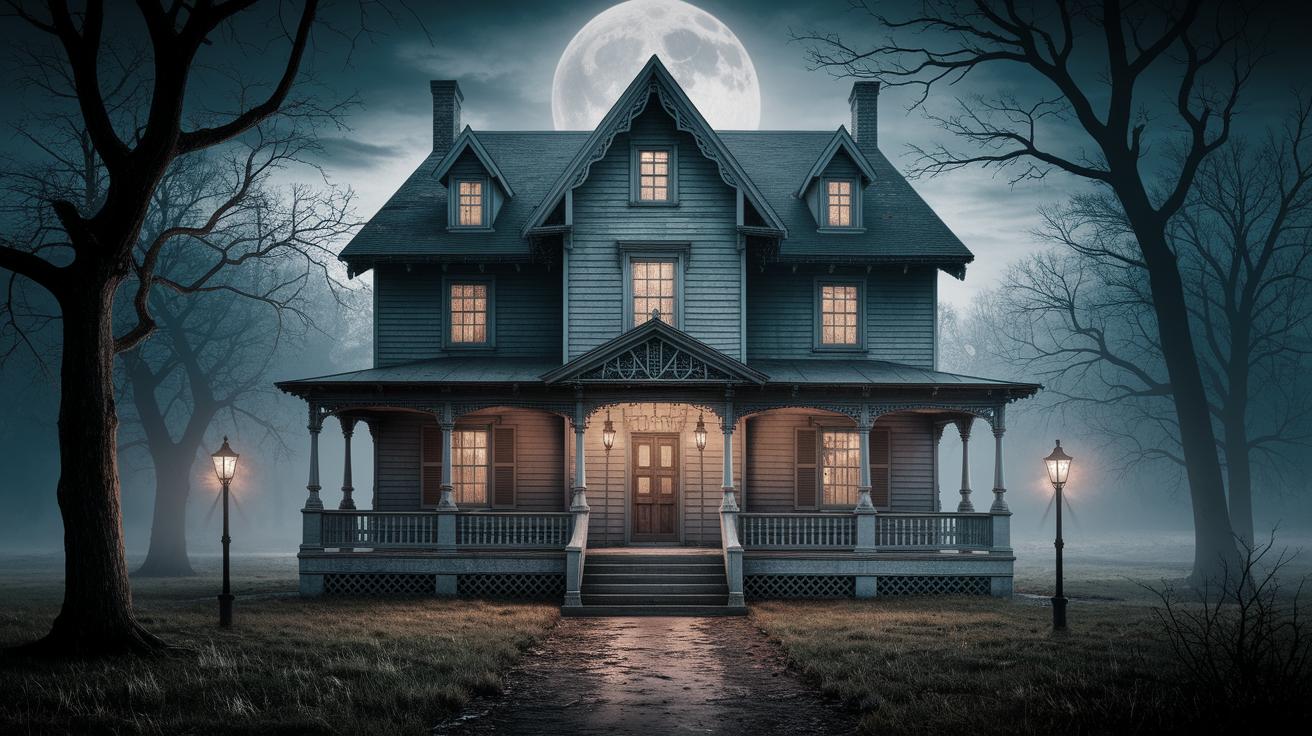
Selling a haunted house can be a daunting yet fascinating endeavor. Whether you’re dealing with spooky legends or unexplained phenomena, there’s a lot to consider to ensure a successful sale. In this comprehensive guide, we dive into all the essential aspects of selling a haunted property, from understanding the local laws to effectively marketing the unique attributes of the house. We’ll equip you with strategies to handle potential buyers’ concerns and explore ways to turn the haunted reputation of the house into a captivating selling point. Join us as we unravel the mysteries of selling a home that offers more than meets the eye.
Understanding Local Disclosure Laws
The first step in selling a haunted house is understanding the local disclosure laws. Real estate laws vary significantly by region, and it’s crucial to know what you’re legally required to disclose to potential buyers. In some states, sellers must explicitly reveal any paranormal activity or stigmas associated with the property. Doing thorough research or consulting with a real estate lawyer can provide valuable insights into these requirements, ensuring that you’re fully compliant with local regulations.
Failing to disclose information about a haunted house could lead to legal repercussions and damage your reputation as a seller. It’s always better to err on the side of transparency. Providing upfront information can also help build trust with potential buyers, making the selling process smoother for both parties.
Staging the Unstageable
In any real estate transaction, first impressions are key—this holds true for a haunted house as well. Staging such a home involves a balance between maintaining its unique character and creating a welcoming atmosphere. Focus on cleaning, decluttering, and repairing any visible damages that could overshadow the home’s appeal. Bright lighting, fresh paint, and appealing decor can transform even the eeriest spaces, making them more inviting.
When it comes to staging a haunted house, consider leaning into its quirks as potential talking points, without fully disclosing specific eerie details. Highlighting the property’s history and charm can draw in history enthusiasts or those intrigued by the supernatural. A well-staged home tells a story, and in the case of a haunted house, it’s about finding the balance between eerie allure and unforgettable elegance.
Marketing the Mystical
Effectively marketing a haunted house is crucial. The key is to captivate the right audience. Create a marketing strategy that appeals to those interested in the paranormal. Tactfully use storytelling in your marketing materials to pique interest without scaring off potential buyers. Utilize social media, property listing websites, and local advertisements to reach a broader audience.
Photography plays a significant role in creating appeal. Ensure photos are well-lit and highlight the positive aspects of the house while maintaining its mysterious charm. Virtual tours and video content can further engage and entice prospective buyers by allowing them to explore the property from anywhere in the world.
Handling Skeptical Buyers
Selling a haunted house involves a unique set of challenges, particularly when it comes to handling skeptical buyers. Be prepared to address concerns with honesty and confidence. Provide documented history or testimonies about the house that can either confirm or dispel its haunted reputation. Transparency helps in easing fears and establishing credibility as a seller.
Consider offering incentives or assurances, such as a home warranty, which could alleviate concerns about unexpected issues post-purchase. By reassuring buyers and addressing their worries head-on, you can turn skepticism into curiosity and foster genuine interest in the property.
Legal Assistance and Negotiation Tactics
Enlisting legal assistance can be invaluable when selling a haunted house. A real estate attorney can provide guidance on disclosures, contracts, and any potential legal challenges. This expertise not only protects you but also instills confidence in buyers, who will appreciate the diligence and transparency involved in the process.
Negotiation tactics can also play a pivotal role in the sale. Be prepared for buyers to use the haunted aspects as a bargaining chip. Set a realistic asking price and be open to discussion, ensuring that all parties feel heard and respected. Leveraging the property’s unique traits as an asset rather than a liability can result in a successful negotiation and sale.
Final Thoughts
Selling a haunted house is as much about creativity as it is about compliance and transparency. By understanding local laws, staging the home effectively, marketing its unique aspects, handling buyer skepticism with care, and seeking legal advice, you can transform the challenges into opportunities. Ultimately, the right mix of strategy and allure may just entice the perfect buyer who sees value in the house’s unique character.
| Aspect | Key Points |
|---|---|
| Understanding Local Disclosure Laws | Research legal requirements; disclose paranormal activity to build trust. |
| Staging the Unstageable | Create an inviting atmosphere; highlight unique historical aspects. |
| Marketing the Mystical | Target the right audience; use storytelling and virtual tours. |
| Handling Skeptical Buyers | Address concerns with transparency; offer incentives. |
| Legal Assistance and Negotiation Tactics | Seek legal advice; prepare for negotiation with realistic pricing. |