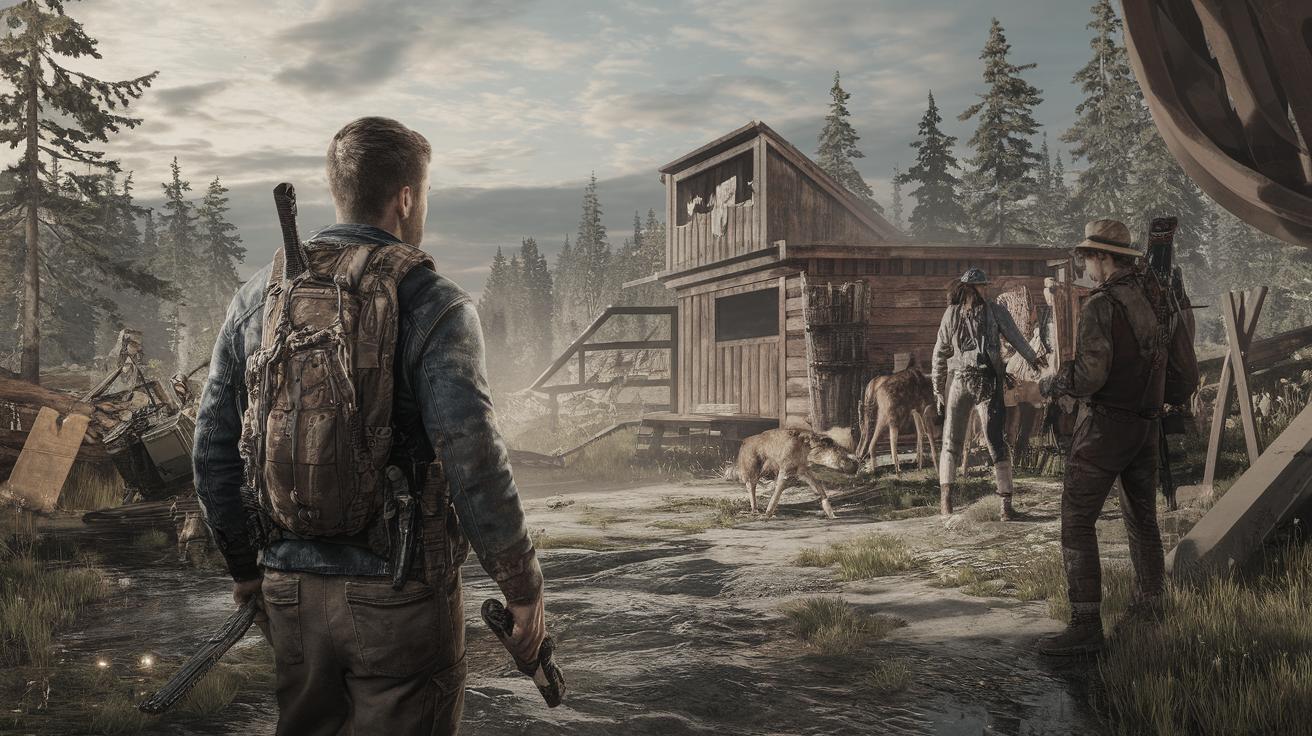
Best Post-Apocalyptic Books
Post-apocalyptic fiction is a fascinating genre that has captured the imaginations of readers, filmmakers, and game developers for decades. This blog post delves into the characteristics and motifs that define post-apocalyptic narratives, exploring their historical evolution and popularity. We discuss the underpinnings of the genre, including common themes such as nuclear war and alien invasions, and highlight the best contributions in literature, cinema, video games, and podcasts. Additionally, we present a visual summary to encapsulate the myriad ways these tales entertain and provoke thought about human resilience and societal reconstruction.
What is Post-Apocalyptic Fiction?
Post-apocalyptic fiction envisions worlds devastated by catastrophic events, whether natural or human-made, and examines the survival and adaptation of humanity in the aftermath. These narratives often focus on the collapse of civilization, the struggle for resources, and the reestablishment of societal norms. While dystopian settings are inherently bleak, they offer unique opportunities to explore themes of resilience, hope, and the human spirit.
Jump to Section
For ease of navigation, readers interested in specific aspects of post-apocalyptic storytelling can jump to sections discussing history, themes, literature, films, games, and podcasts. The content outlined here serves as a guide to understanding the rich fabric of the genre and discovering noteworthy works across various media.
A Brief History of Post-Apocalyptic Fiction
Apocalyptic fiction
Apocalyptic fiction traces its roots to ancient myths and religious texts, where the world’s end and subsequent rebirth are common motifs. This form of storytelling has evolved over centuries, influenced by socio-political climates and technological advancements. Traditionally, apocalyptic narratives serve as cautionary tales about humankind’s hubris, emphasizing moral and ethical considerations.
Post-apocalyptic fiction
Unlike apocalyptic fiction, which focuses on the onset of a calamity, post-apocalyptic fiction concentrates on what happens afterward. These stories delve into humanity’s attempts to survive and rebuild after a world-ending event. They have gained popularity in the 20th and 21st centuries, mirroring public anxieties about nuclear war, pandemics, and environmental degradation.
Dystopian fiction
Dystopian fiction, often overlapping with post-apocalyptic tales, typically explores oppressive societies and authoritarian regimes. While dystopian worlds may arise from an apocalypse, the core focus lies in critiquing existing societal structures. Thematic cousins, these genres offer a lens through which readers can analyze human nature’s darker facets and societal constructs.
Common Themes in Post-Apocalyptic Fiction
Nuclear War
Nuclear war is a prominent theme in post-apocalyptic fiction, reflecting Cold War-era fears and contemporary geopolitical tensions. Stories in this realm often portray desolate landscapes, radiation-related mutations, and the struggle to survive in a drastically altered environment. Major works in this subgenre explore both the aftermath and the moral dilemmas associated with nuclear warfare.
EMP
Electromagnetic pulse (EMP) scenarios highlight society’s dependence on technology and the chaos that ensues when it fails. These stories often emphasize the fragility of modern conveniences and the harsh realities of surviving without them. EMP narratives call into question our reliance on technology and explore the potential for a return to primitive existence.
Natural Disaster
Natural disaster-themed post-apocalyptic stories focus on humanity’s resilience in the face of unprecedented environmental upheavals. Whether dealing with earthquakes, floods, or supervolcanoes, these narratives underscore the power of nature and the indomitable spirit of survivors seeking to reclaim their place on a changed planet.
Zombies
The reanimated dead have become synonymous with post-apocalyptic fiction, exploring themes of contagion, fear, and survival. Zombie narratives often delve into the disintegration of society, the fragility of human life, and the ethical quandaries involved in battling former loved ones turned undead.
Climate Change
Climate change fiction, or “cli-fi,” addresses humanity’s impact on the planet and the potential apocalyptic scenarios resulting from ecological neglect. These stories raise awareness about environmental issues and portray optimistic or pessimistic visions of how humanity copes with the consequences of climate shifts.
Religious Rapture
Religious rapture narratives blend theological prophecy with apocalyptic settings, typically focusing on the aftermath of divine judgment. Such tales explore themes of faith, redemption, and the human quest for salvation in a newly chaotic world.
Alien Invasion
Alien invasion stories depict otherworldly forces threatening or having decimated Earth, exploring the clash of civilizations and the resilience of human resistance. These narratives often illuminate humanity’s resourcefulness and capacity for unity against a common extraterrestrial foe.
Pandemics and Viruses
Pandemic fiction has witnessed a surge in popularity, particularly in light of recent global events. These stories examine the human cost of widespread disease and societal collapse while emphasizing the courage and tenacity required to endure such crises.
1. Post-Apocalyptic Books
Post-apocalyptic literature has produced some of the finest works in speculative fiction, offering readers imaginative explorations of hypothetical futures. Noteworthy titles like Cormac McCarthy’s
The Road
, Emily St. John Mandel’s
Station Eleven
, and Walter M. Miller Jr.’s
A Canticle for Leibowitz
stand out for their profound insights and engrossing narratives.
These books often probe philosophical and ethical questions, challenging readers to ponder the lengths to which humanity will go to survive. By illustrating human resilience amidst despair, these works contribute to an ever-evolving conversation on adversity and hope.
2. Post-Apocalyptic Movies & TV Shows
Post-apocalyptic visuals have captivated audiences on screens large and small, with films and series such as
Mad Max
,
The Walking Dead
, and
Children of Men
offering compelling takes on end-of-world scenarios. These productions employ stunning visuals, intense plotlines, and character-driven narratives to explore the potential consequences of an apocalypse.
Whether portraying dystopian futures or intimate human struggles, these films and shows drive home the impact of catastrophic events on society and the relentless fight for survival. They challenge viewers to envision their own responses to such hypothetical realities.
3. Post-Apocalyptic Games
Video games provide an interactive platform for immersing players in detailed post-apocalyptic worlds. Titles like
Fallout
,
The Last of Us
, and
Horizon Zero Dawn
allow players to engage actively with apocalyptic settings, making decisions that shape their outcomes.
The interactive nature of these games offers an intimate perspective on survival, resource management, and rebuilding society. By navigating complex narratives and environments, players experience firsthand the themes and challenges central to post-apocalyptic fiction.
4. Post-Apocalyptic Podcasts
As an emerging medium, podcasts offer a new frontier for post-apocalyptic storytelling. Series such as
We’re Alive
and
Blackout
use audio narratives to create immersive experiences that engage listeners’ imaginations and emotions.
These podcasts often explore diverse scenarios, from traditional zombie outbreaks to more nuanced ecological disasters, offering a platform for engaging with the auditory potential of storytelling. This medium allows the audience to experience apocalyptic themes through a uniquely intimate and often deeply personal lens.
Lessons learned
| Media Type | Examples | Common Themes |
|---|---|---|
| Books |
The Road , Station Eleven |
Nuclear War, Pandemics, Human Resilience |
| Movies & TV Shows |
Mad Max , The Walking Dead |
Zombies, Resource Scarcity, Societal Collapse |
| Games |
Fallout , The Last of Us |
Survival, Exploration, Rebuilding |
| Podcasts |
We’re Alive , Blackout |
Audio Immersion, Diverse Scenarios |