Exploring “I Know Why the Caged Bird Sings”: Reflections and Resonance
Maya Angelou’s “I Know Why the Caged Bird Sings” is more than a poignant autobiography; it is a tapestry woven with themes of protest, resistance, empowerment, and the unyielding quest for freedom. This article delves into the impact of Angelou’s work through various lenses such as protest poetry, the celebration of Black History Month, feminism, and the Civil Rights Movement. Each section explores how Angelou’s narrative and themes contribute to the broader discourse around race, gender, and equality. Her words continue to inspire generations and forge a path toward understanding and change. This exploration seeks to highlight her enduring legacy and the future prospects of her powerful messages.
Poems of Protest, Resistance, and Empowerment
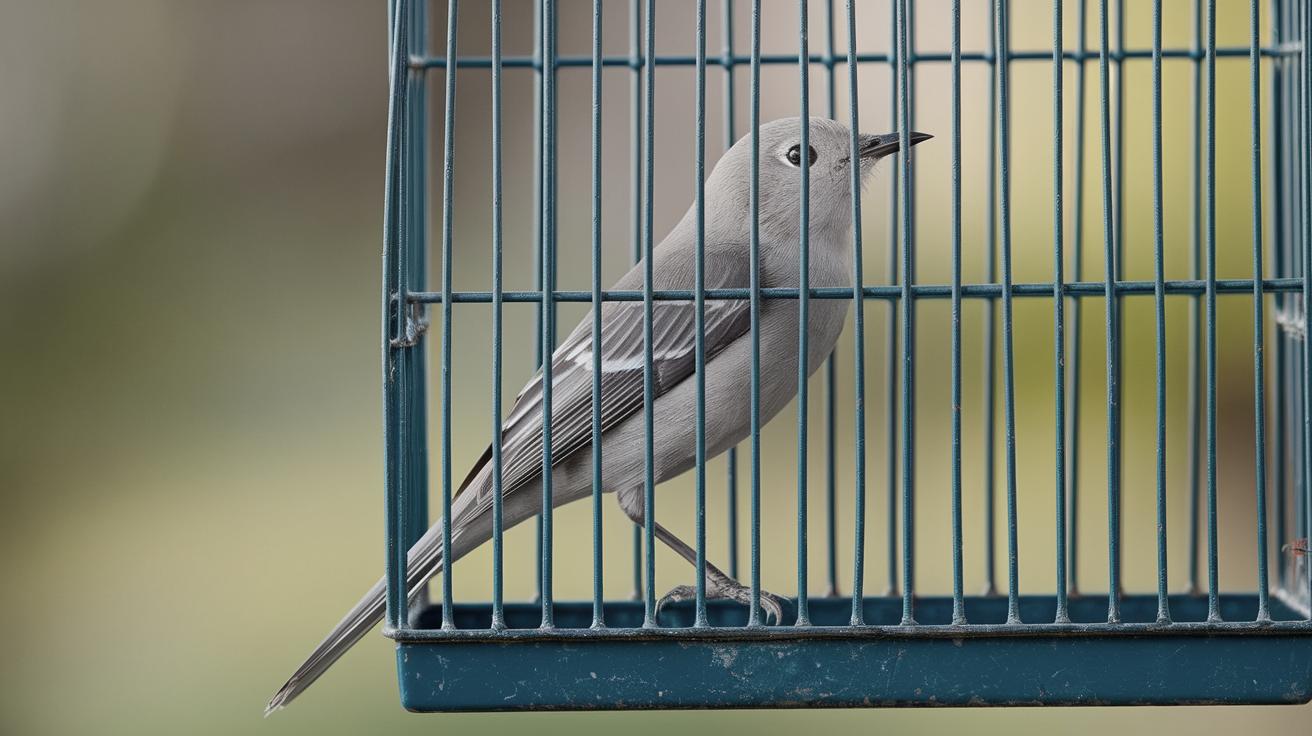
Maya Angelou’s work resonates as a clarion call for protest and resistance, articulating the struggles and triumphs of African American life. Her poetry often serves as a voice for those marginalized and oppressed, challenging social injustices with eloquence and strength. In “I Know Why the Caged Bird Sings,” the metaphor of the caged bird singing against its captivity symbolizes the resilience of the human spirit in the face of systemic oppression.
Angelou’s contemplations on freedom transcend personal experiences, becoming universal calls for change and empowerment. Her narrative not only recounts her own hardships but also acts as a vehicle for the empowerment of others. Through her words, readers are invited to reflect on the power dynamics that govern society and the possibilities of overcoming them through unity and self-belief.
This work’s legacy in protest literature lies in its ability to convey the struggles of the oppressed with grace and power, allowing readers to confront uncomfortable truths while inspiring transformation. Angelou’s poetry stands as a testament to the enduring fight for freedom and the unwavering strength required to face adversity.
Celebrating Black History Month
“I Know Why the Caged Bird Sings” is a foundational piece for Black History Month celebrations, offering profound insights into African American history and culture. Angelou’s narrative enriches the understanding of Black heritage, embodying the stories that form the backbone of cultural identity. Her work underscores the importance of remembering the past to inform the future.
Black History Month provides an opportunity to uplift voices that have shaped history and continue to inspire change. Angelou’s work is intrinsic to this celebration, emphasizing the significance of acknowledging the contributions and resilience of Black individuals throughout history. Her storytelling affirms the richness and complexity of Black experiences, making her an essential figure in this commemorative month.
Through Angelou’s eyes, readers are guided on a journey of reflection and appreciation, honoring the lives and legacies that have paved the way for future generations. Her influence extends beyond literature, as she embodies the spirit of Black History Month – remembrance, resilience, and hope.
Poetry and Feminism
Angelou’s work is celebrated not only for its racial commentary but also for its feminist undertones. Her poetry captures the struggles and triumphs of women, particularly Black women, in a society that often marginalizes their voices. Angelou’s candid exploration of gender issues resonates with the feminist movement, offering a poignant critique of patriarchal structures.
“I Know Why the Caged Bird Sings” highlights the intersectional challenges faced by women of color, advocating for equality and self-determination. Angelou’s narrative challenges traditional gender roles, portraying empowered female characters who navigate and resist societal constraints.
Angelou’s influence on feminist discourse is undeniable, as her works encourage conversations surrounding gender equity and women’s rights. Her poetry continues to empower generations, reminding them of the importance of advocating for change and uplifting each other in the pursuit of equality.
Poetry and the Civil Rights Movement
“I Know Why the Caged Bird Sings” serves as a potent reflection of the Civil Rights Movement, capturing the ethos of an era defined by social upheaval and the fight for justice. Angelou’s poetry provides a lens through which readers can understand the struggles and triumphs of those who fought for equal rights.
Angelou’s vivid portrayal of racism, segregation, and activism paints a powerful picture of life during the Civil Rights Movement. Her narrative honors the courage and spirit of individuals and communities who pushed for change, highlighting the collective power found in unity and resilience.
Through her work, Angelou offers a voice to the voiceless, articulating the hopes and dreams of a generation determined to overcome systemic injustice. Her contributions to the movement remain an inspiration, urging continued advocacy for equality and justice today.
Future Prospects
As we continue to explore Maya Angelou’s profound impact on literature and society, her words remain as relevant today as when they were first penned. “I Know Why the Caged Bird Sings” is a source of endless inspiration, challenging us to confront the past and work tirelessly toward a future of equality and understanding. Her legacy is one of hope and empowerment, urging future generations to carry forward the torch of change and resilience.
| Section | Summary |
|---|---|
| Poems of Protest, Resistance, and Empowerment | Explores Angelou’s use of metaphor and narrative to challenge social injustices, highlighting resilience in adversity. |
| Celebrating Black History Month | Discusses the importance of Angelou’s work in understanding Black heritage and honoring past contributions. |
| Poetry and Feminism | Examines Angelou’s feminist narrative, advocating for intersectional gender equity and empowerment. |
| Poetry and the Civil Rights Movement | Analyzes Angelou’s portrayal of the Civil Rights era, emphasizing the need for continued advocacy and justice. |