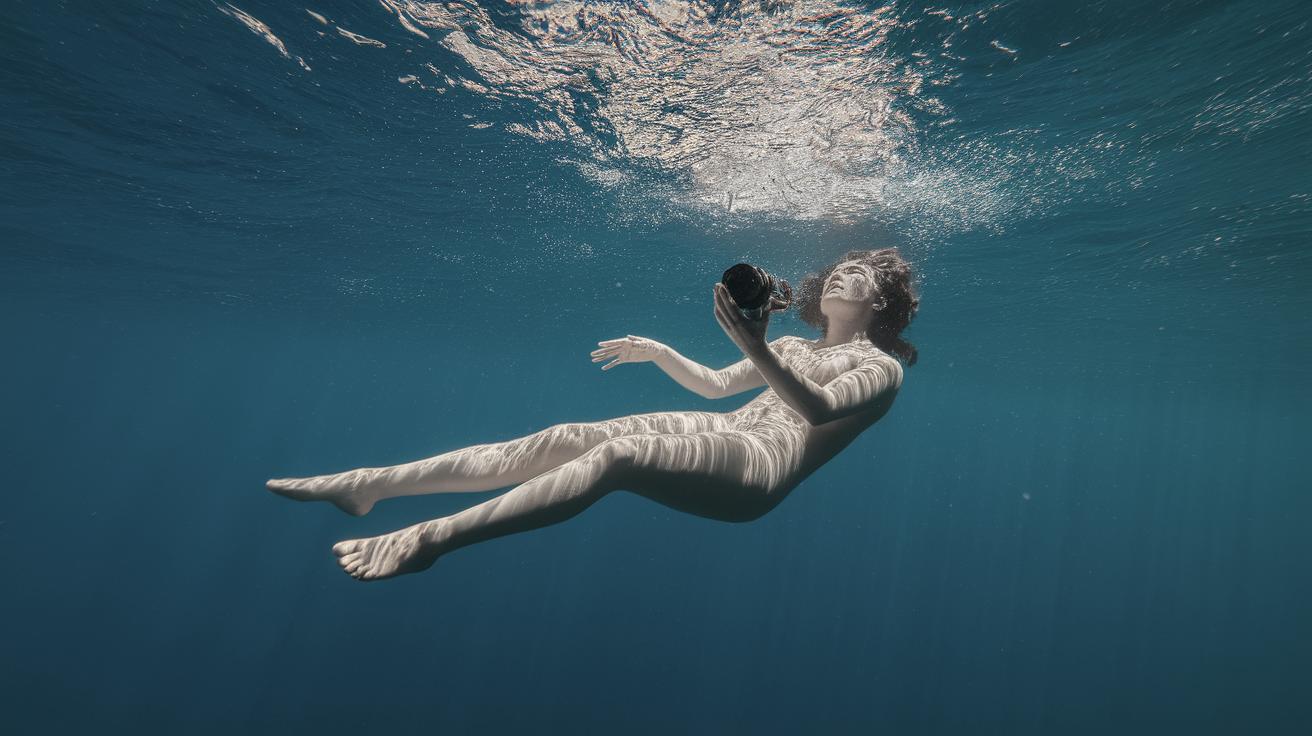
How It Feels to Float
Floating is an experience that transcends the physical realm and touches the soul in unique ways. This blog post delves into the multifaceted nature of floating, whether literally on water or metaphorically through life. We will explore the physical sensations of buoyancy, the emotional impact of weightlessness, and the mental clarity that often accompanies these experiences. As we journey through the different dimensions of floating, we invite you to connect with your own experiences and feelings related to this serene state. Whether you float to escape, to find peace, or to simply enjoy the freedom it offers, there’s an element of universality in the joy and liberation that floating encapsulates.
The Physical Sensations
Floating is first and foremost a physical experience, one defined by the gentle rocking of water and the sensation of being held by the Earth’s surface tension. As you become buoyant, there’s a unique balance between gravity pulling you down and the water pushing you up. This equilibrium creates a state of suspension that can initially feel foreign, yet quickly transforms into a comforting embrace. The coolness of the water against your skin adds a refreshing touch, enhancing the sensory elements of floating.
For many, floating in water goes beyond simple buoyancy. The feeling of water enveloping your body can create a sense of connection with nature. It mimics the supportive embrace that we receive from our surroundings, instilling a profound sense of belonging and peace. The rhythm of the water lapping gently around you can elicit feelings of being gently rocked to sleep, a reminder of the natural world’s inherent capacity to soothe us.
Additionally, the act of floating can lead to an increased body awareness. Removed from the immediate concerns of gravity, you may find yourself more attuned to the subtle movements of your muscles and limbs. This heightened awareness can foster a deeper connection between mind and body, enhancing the meditative qualities associated with floating.
The Emotional Impact
Floating often acts as an emotional reprieve, offering a refuge from the stressors of daily life. Within the buoyant embrace of water, individuals can experience an emotional release, shedding pent-up tensions and worries. The act of surrendering oneself to the water is synonymous with letting go of control, which can be emotionally freeing. This relinquishing of control can lead to feelings of liberation, as if burdens have been lifted off your shoulders.
Many people who float regularly speak of the tranquility it brings, a kind of peaceful solitude that is difficult to find elsewhere. The isolation of floating allows for an introspective dive into oneself, fostering self-reflection and a deeper understanding of one’s emotions. In these moments, the mind is free to wander, untethered from distractions, helping individuals address emotions that are often sidelined in the hustle of everyday life.
Moreover, floating can evoke joy and playfulness, reminiscent of childhood days spent carefree in the water. This experience can reawaken a childlike sense of wonder and awe, an emotional benefit that brings both excitement and nostalgia. When we float, we temporarily escape the rigid constraints of adulthood, allowing our hearts to lighten and reconnect with simpler times.
Mental Clarity and Insight
The mental benefits of floating are as significant as the physical and emotional ones. As the body relaxes, the mind follows suit, entering a state of calmness that promotes clarity and insight. This tranquility encourages mindfulness, enabling individuals to remain present and engaged with their immediate environment. The meditative state often achieved while floating can lead to enhanced creativity, improved problem-solving skills, and a renewed sense of focus once you return to the daily grind.
Floating can be especially beneficial for those who practice meditation, as the experience can serve as a natural extension of meditative practice. The absence of external stimuli allows for deeper concentration and a heightened state of awareness. Without the usual barrage of sensory input, the mind can fully relax and explore thoughts and ideas more freely, leading to profound insights and innovative thinking.
Additionally, the mental clarity gained from floating can help individuals deal with anxiety and mental fatigue. By stripping away external distractions, floating creates a serene environment for mental detoxification, leaving participants feeling refreshed and rejuvenated. This mental reset can have long-lasting benefits, equipping individuals to face challenges with renewed vigor and perspective.
Share this:
If you have ever experienced the bliss of floating, I’d love to hear about your personal journey! Please share your thoughts and feelings in the comments below or connect with others on social media by using the hashtag #FloatingJourneys. Your stories and insights can inspire others to explore the transformative power of floating. Whether it’s a cherished memory or a newfound experience, your voice adds richness to our shared narrative of floating. Happiness is contagious, and by sharing it, we encourage others to find their sense of float and freedom.
Floating is not just a physical activity; it is an invitation to explore new dimensions of peace, creativity, and emotional well-being. Let’s create a community where we lift each other by sharing these floating stories, experiences, and wisdom.
Future Prospects
| Aspect | Summary |
|---|---|
| Physical Sensations | Balancing buoyancy with gravity, increased body awareness, connection with nature. |
| Emotional Impact | Emotional release, tranquility, self-reflection, playfulness. |
| Mental Clarity and Insight | Calmness, enhanced creativity, mindfulness, anxiety relief. |
| Community Engagement | Sharing experiences, inspiring others, building a float-loving community. |